


2026Global AI & Cyber Maturity Report
Enterprises are deploying AI faster than they can secure it. Our 2026 report measures the maturity gaps leaving organizations exposed.
- 0Industries
- 0+Global Assessments
- 0Countries
Understanding and improving cybersecurity maturity has never been more critical. As AI transforms both enterprise operations and the threats against them, the distance between policy and protection is growing. How mature are world industries to defend the AI they now depend on? This report provides the answers.
About the Report
For the first time, cybersecurity maturity and AI risk are measured together. Discover where AI risk already exists, how Shadow AI is spreading, what drove maturity gains, and how cyber resilience varies by size, sector, and geography.
What We Measured:
- Cybersecurity maturity, scored against NIST CSF 2.0
- AI risk maturity, scored against NIST AI RMF 1.0
- Shadow AI exposure across the organization
What the Data Reveals:
- Organizations see AI risk but struggle to act
- AI governance is mature on paper, not in practice
- Shadow AI is the enterprise's biggest unmanaged risk
- AI risk exists in nearly every organization
- Regulation—not budgets—drives action
- More spending doesn't guarantee more security

Report Highlights
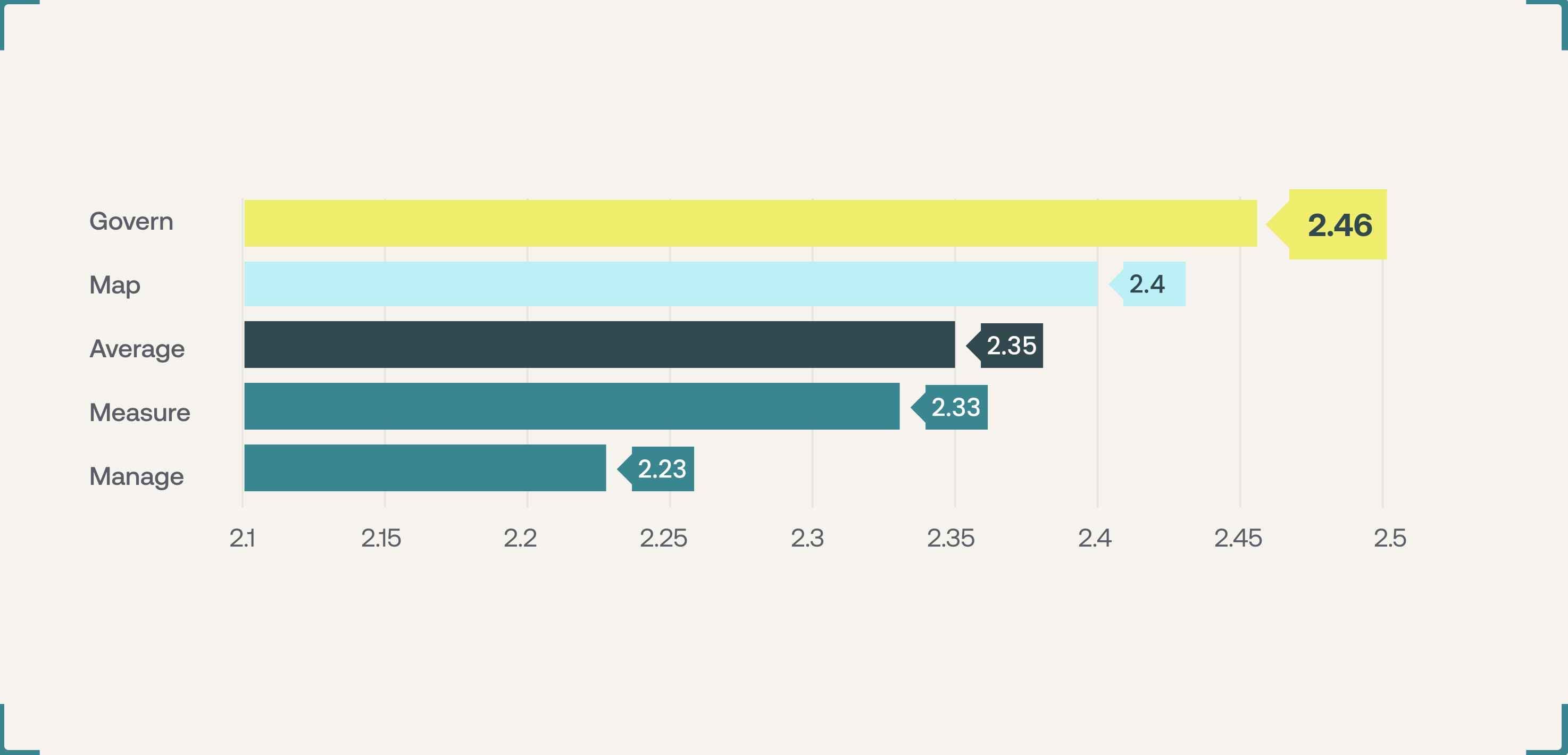
AI Maturity Across NIST AI RMF 1.0 Functions
Maturity is lowest at Manage — the function where awareness becomes action.
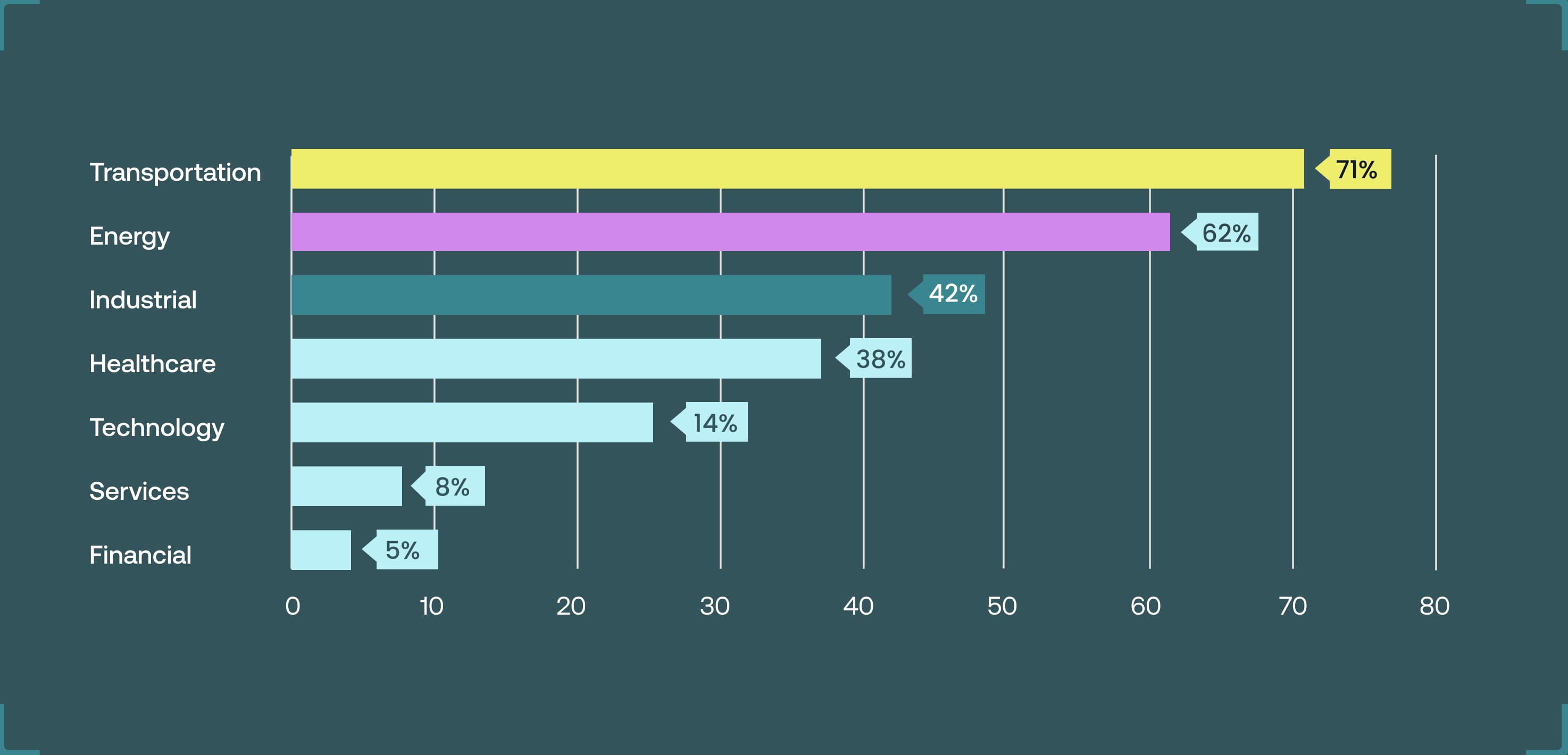
Shadow AI Exposure by Industry
Critical infrastructure leads the exposure as Shadow AI spreads beyond visibility and operational control — while highly regulated sectors like finance stay far lower.
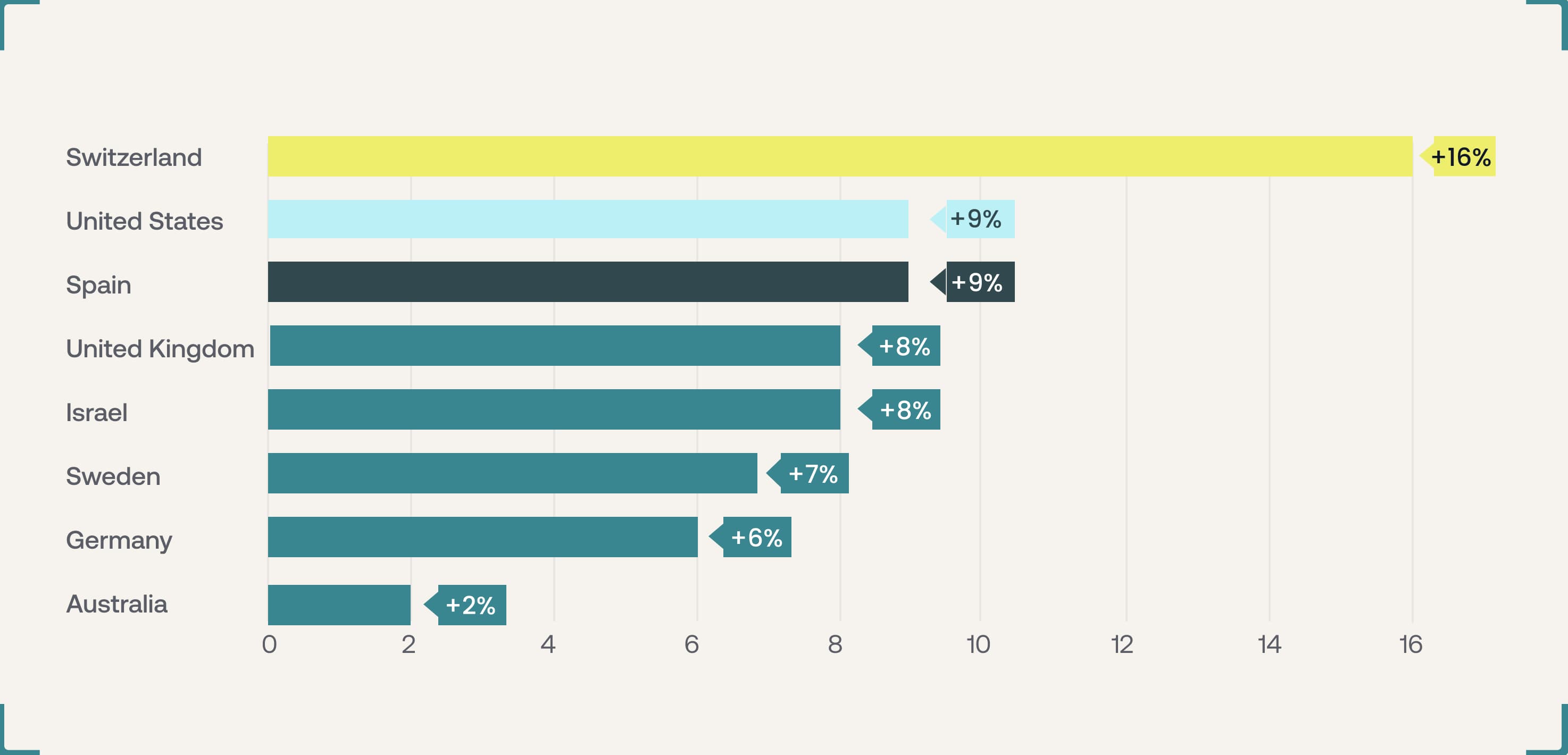
Annual Maturity Gains by Country
Maturity gains from 2025 to 2026 varied widely by country. Those with more regulatory deadlines saw the biggest jumps, led by Switzerland at +16%.

“We’ve spent the past year deploying AI faster than we’ve secured it. Boards have policies; what they lack is the ability to respond. Closing that gap — turning awareness into action — is the defining security challenge of 2026.”