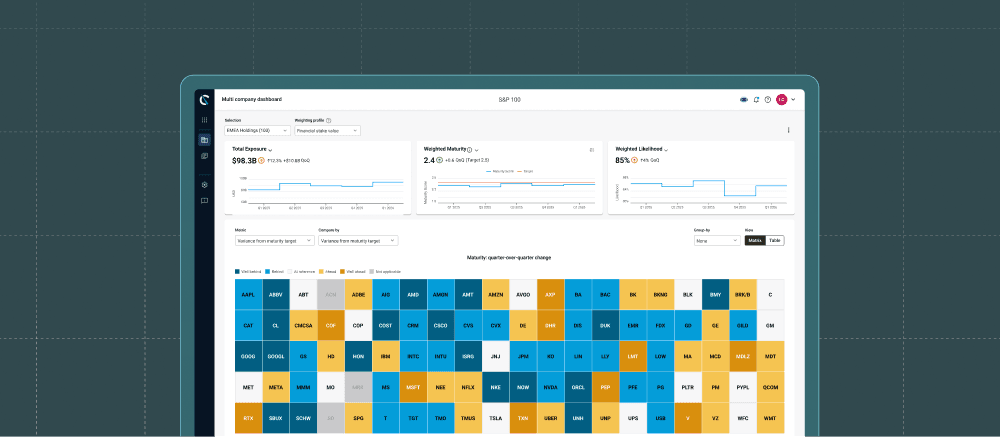
Cybersecurity in private equity is changing - from a portfolio-company concern to a portfolio-wide investment consideration.
What was once largely a compliance exercise at the portfolio-company level is becoming a question of portfolio-wide exposure, value, and oversight.
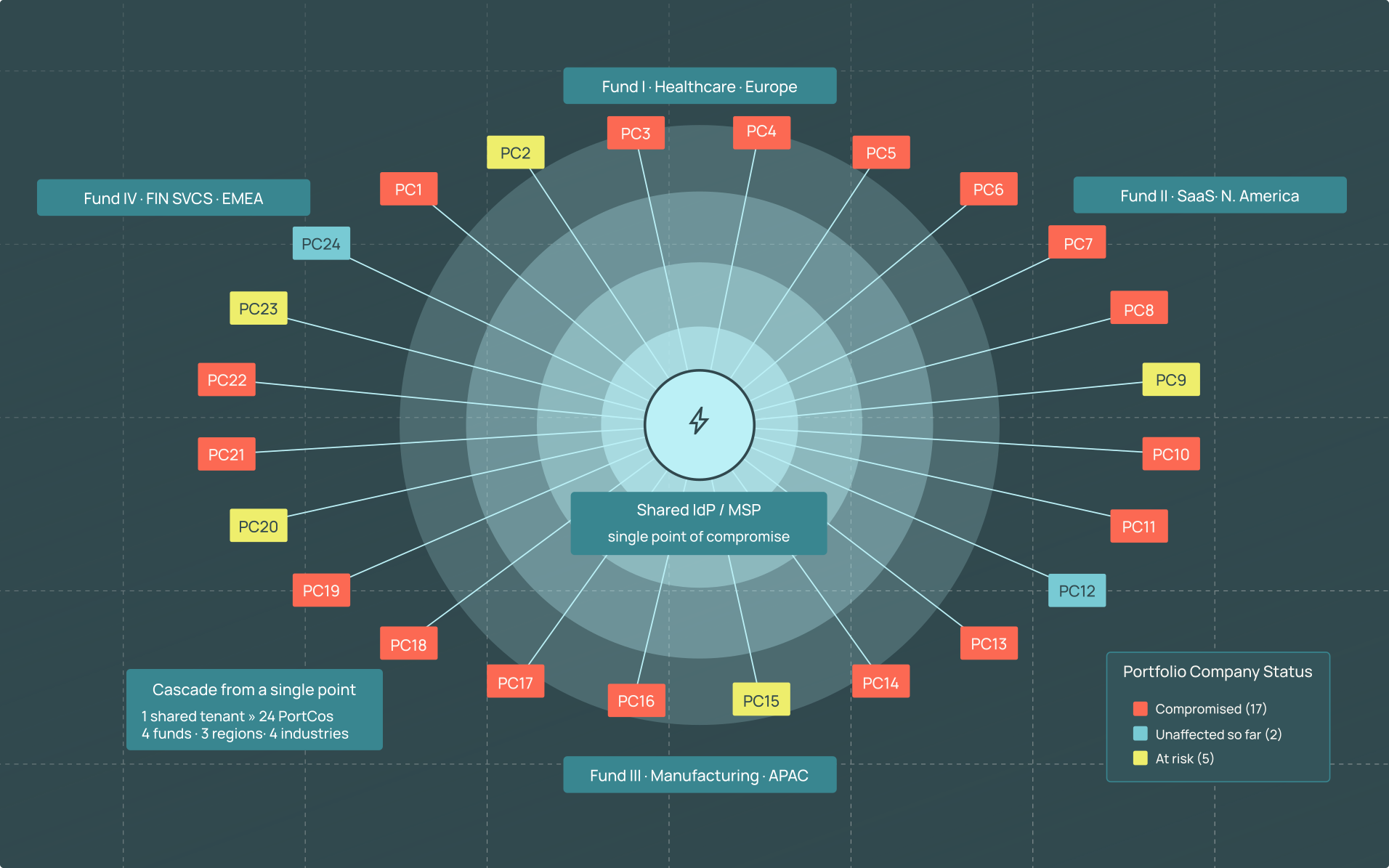
And there's a reason for that. A portfolio may be made up of separate companies, but cyber exposure doesn't respect those boundaries. Shared technology, service providers, and infrastructure can create connections between companies that attackers can exploit. An incident at one portfolio company can have consequences far beyond that business - affecting other companies, a live transaction, or the value of the investment itself.
One compromise can create a cascade across the portfolio.
At the same time, PE firms themselves are increasingly in the crosshairs.
Recent attacks targeting major private equity firms show that they are no longer just financial sponsors - they are high-value targets in their own right.
In August 2026, hackers targeted major private equity firms including Blackstone, Apollo, Bain Capital, KKR, TPG and Clearlake Capital (Reuters). They built 72 malicious websites and used convincing phone calls to impersonate IT support, attempting to steal employee credentials and authentication codes.
The targets weren't portfolio companies. They were the sponsors themselves.
Why Private Equity is an Attractive Target for Cyber Attackers
Private equity concentrates what attackers want: capital, sensitive information and access.
PE firms sit close to large amounts of capital, high-value transactions and sensitive deal and investor information — with a network of portfolio companies, advisors and service providers creating additional pathways in.
And there is a lot to lose.
A cyberattack during a normal operating period can be disruptive. During a live transaction, it can impact the deal itself. With fixed deadlines, sensitive negotiations and significant financial pressure, attackers can use the timing of an attack to maximise their leverage.
AI is widening the gap between how quickly attackers can exploit weaknesses and how quickly organisations can respond. More convincing social engineering, faster reconnaissance and increasingly scalable attacks allow attackers to identify and target more organisations, more quickly — without necessarily relying on sophisticated technical exploits.
For PE firms, a faster-moving threat landscape means exposure needs to be managed continuously throughout the investment lifecycle - not just assessed at key points.
See how Cye helps PE firms manage cyber exposure »
Cyber Exposure Follows the Investment Lifecycle
Cyber exposure can affect an investment from the moment a deal is considered to the day it is sold. The risks are different at each stage - and so are the actions PE firms need to take.
Before Acquisition: Uncover What Could Change the Deal
A cyber issue can change the price, terms or timing of an acquisition.
In a recent due diligence assessment, Cye uncovered an active incident in a prospective portfolio company's environment. What looked like a standard cyber diligence exercise had uncovered something far more immediate: the target was under active attack. Cye's team used threat hunting and threat intelligence to investigate the incident and establish the scope of the exposure.
The point of diligence isn't simply to find security gaps. It's to know what you're actually buying - and how its exposure could affect its value.
During the Hold: Exposure Doesn’t Stand Still
Closing the deal doesn't close the exposure.
68% of PE firms say cyber incidents are increasing during the hold period.
Portfolio companies evolve. They introduce new technology, adopt AI, change suppliers, expand into new markets and acquire other businesses. The security picture at acquisition can look very different a year later.
And PE firms aren't managing one environment. They are managing exposure across multiple companies, where an issue in one can create consequences for others through shared technology, providers or infrastructure.
That makes a point-in-time assessment a snapshot, not a strategy. To protect the value of the investment during the hold period, exposure needs to be managed continuously - tracking how it changes and whether actions are actually reducing it.
Before Exit: Turn Cyber Progress Into Value
The same exposure that matters when buying a company can matter again when selling it.
By the time a company reaches exit, buyers want to understand not just where its cyber exposure stands, but how it has changed during the hold. A portfolio company that can demonstrate measurable progress is in a stronger position than one carrying unresolved exposure into the transaction.
PE firms need evidence that exposure has actually been reduced - and that the investment is better positioned for exit as a result.
When Cyber Exposure Becomes Investment Exposure
A cyber incident can do far more than disrupt operations. It can hit the value of an investment — and create financial, legal and reputational consequences for the sponsor.
Cyber events can mean unexpected remediation costs, operational disruption, regulatory scrutiny, litigation, reputational damage and delays to transactions.
94% of PE firms have experienced a financial impact from cybersecurity risk.
And the sponsor itself can face legal exposure.
In March 2026, a US federal court allowed claims against Bain Capital to proceed in litigation relating to the PowerSchool breach. The case alleges that Bain's actions following its acquisition of PowerSchool contributed to compromised cybersecurity protections.
The boundaries between portfolio-company exposure and sponsor exposure are becoming harder to draw.
A New Model Is Needed to Manage Cyber Exposure
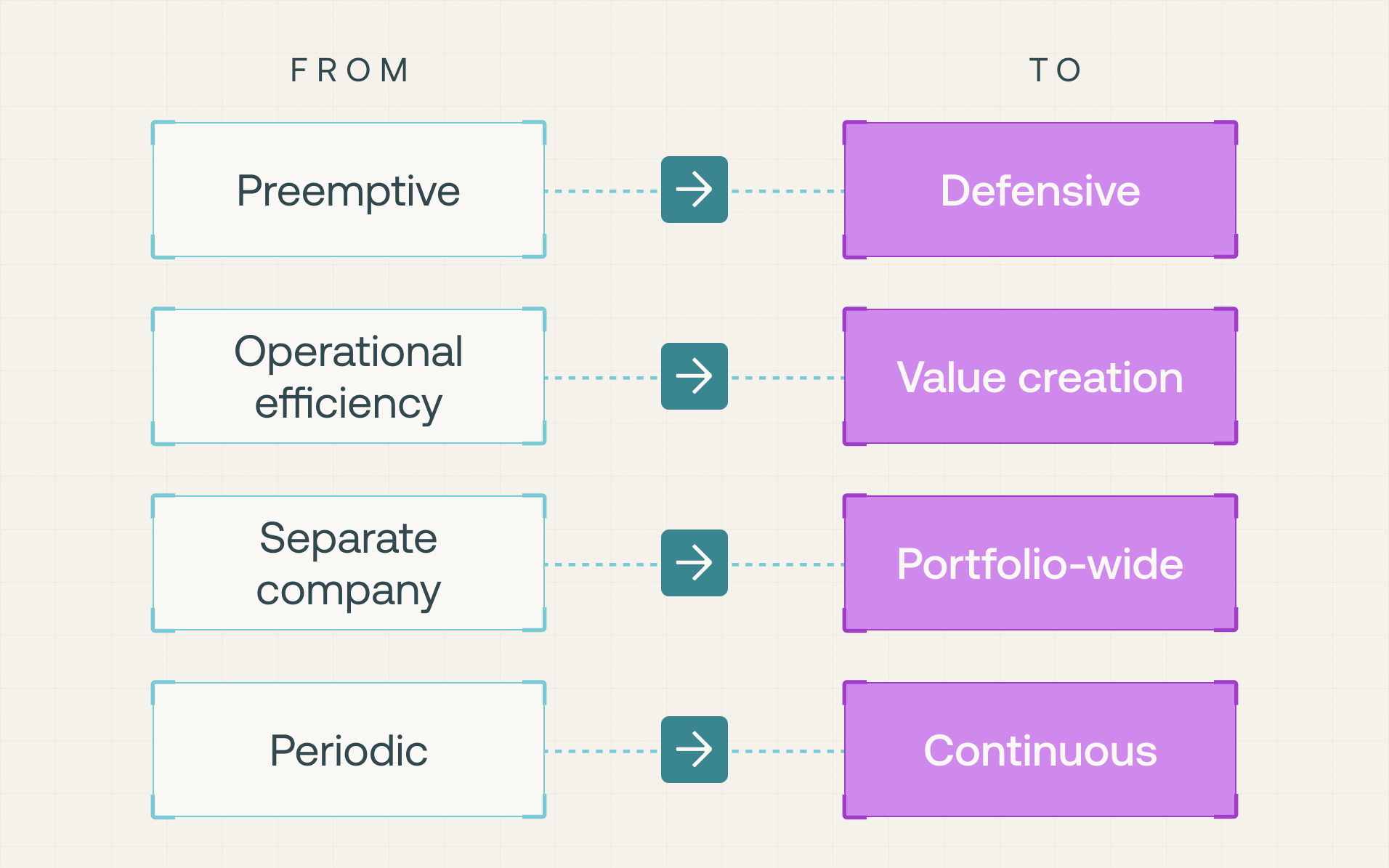
If exposure can spread across the portfolio, change throughout the hold and affect the economics of an investment, a periodic, company-by-company compliance exercise isn't enough.
PE firms need a different way to manage exposure - one that reflects the way their portfolios and investments actually work.
Protecting Portfolio Value From Acquisition to Exit
Cyber exposure is increasingly part of the investment picture - from understanding an organization’s risk before acquisition to tracking how exposure changes across the portfolio and demonstrating progress ahead of exit.
Cye’s Center of Excellence for Private Equity offers a repeatable, measurable operating model for managing cyber exposure across the investment lifecycle. By combining expert-led assessments with an AI-native, continuous exposure management platform, it brings point-in-time expertise and ongoing portfolio-wide visibility and control together in one model.
A portfolio-wide view of cyber exposure, maturity and progress across holdings.
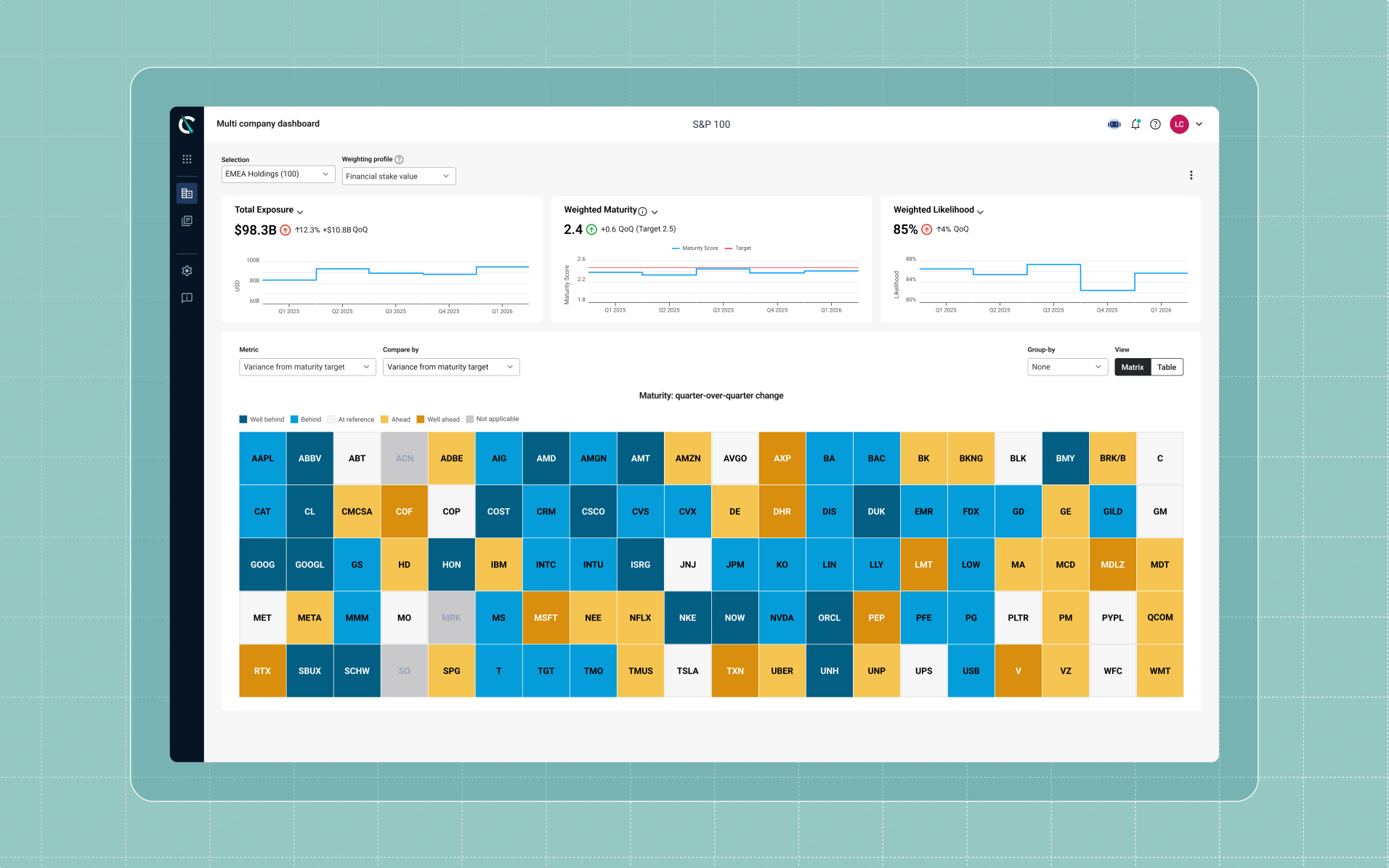
Protecting portfolio value increasingly means treating cyber exposure as an investment consideration - not a compliance exercise. Cye helps PE firms do that across the lifecycle, from acquisition through exit.
See how Cye helps PE firms manage cyber exposure »
Frequently Asked Questions
Private equity firms concentrate capital, sensitive deal and investor information, high-value transactions and access to portfolio companies, advisors and service providers.